



The Image Bank
I’ve been spending much of the last couple of weeks doing radio and other media for my aquaculture cover in TIME. Everyone wants to know the same thing: is fish farming really sustainable? “It depends” isn’t a very satisfactory answer, so I’ve been focusing on the efforts of some in the aquaculture industry to raise fish more efficiently and more sustainably. It’s not easy, but some—like Australis Aquaculture—are getting there.
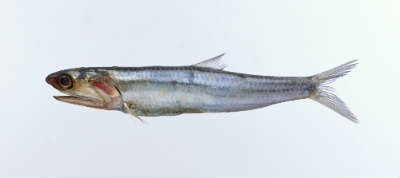
The biggest obstacle to farming fish right, however, isn’t the pollution a farm might create, or the risk of disease spreading from farmed fish to their wild cousins. It’s the simple fact that to raise most fish—at least the kind of fish we like to eat—we need to catch fish as well. Farmed salmon and other popular species need fishmeal in their diet, and that food comes from small forage fish like anchovies that are caught in the wild. (In fact, such forage fish—called low-trophic level species because of their place on the food chain—account for over 30% of global fisheries production, and most of it goes to fishmeal for aquaculture or agriculture.) It’s obviously not very sustainable if you need to take more forage fish from the ocean than you can raise to market on a farm.
Now it turns out that overfishing species on the bottom of the marine food chain can have serious impacts for sea life as a whole. In a new study published in the July 21 Science, researchers led by Anthony Smith of Australia’s Commonwealth Scientific and Industrial Research Organization looked at what happens when those low-level forage fish are fished out. Not good things. Fishing species like anchovies and herrings at what are known as conventional maximum sustainable yields (MSY)—the levels at which fishery managers believe produces the most protein without leading to overfishing—can cause problems for the rest of the food web. Forage fish provide the fuel for marine ecosystems—remove the fuel, and that system can break down.
In a way, these results shouldn’t be surprising. The more we learn about nature, the more we discover how interconnected it is—from the top of the food chain all the way to the bottom. And that’s why, as human numbers and demands keep growing, we keep changing the planet—and even downgrading it—in ways we can barely understand.
More from Ecocentric: How Human Beings Are Downgrading Life on Earth
Bryan Walsh is a reporter at TIME. Find him on Twitter at @bryanrwalsh. You can also continue the discussion on TIME’s Facebook pageand on Twitter at @TIME.