



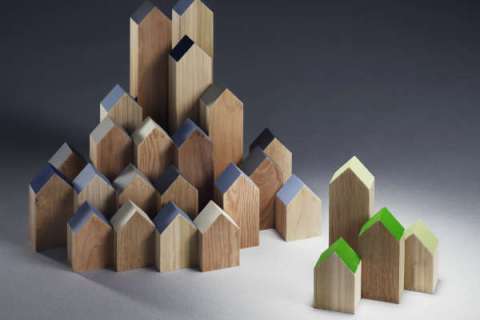
In an era of LEED-certified construction and growing concern for sustainability, it comes as a surprise that constructing new, energy-efficient buildings can be less eco-friendly than renovating old ones. A study by the Preservation Green Lab of the National Trust for Historic Preservation shows building reuse almost always has fewer environmental impacts than new construction—which means we’d be smart to spend at least as much time renovating existing buildings as we do lionizing fancy new green construction.
MORE: Thoughts on Fukushima and Hiroshima
Why? In general, the operating requirements of existing buildings in the U.S. make up about 39 percent of total energy consumed nationwide, making it a major target for efficiency. At the same time, the National Trust study found it can take from 10 to 80 years for a new energy-efficient building to overcome the negative climate change impacts made during its construction, so even a LEED Platinum building incurs a carbon debt during construction that it can take years to pay off.
Researchers looked at buildings across Portland, Phoenix, Chicago and Atlanta over a 75-year period. Using life cycle analysis, they analyzed the buildings within four environmental impact categories: climate change, human health, ecosystem quality and resource depletion. Renovated building savings are between 4 to 46 percent over newly constructed buildings of equal energy performance levels. (The exception is a reconstruction from a warehouse to multi-family unit.) In this case, there is more environmental impact due to types of materials used. Overall, materials used make a difference for the environment. According to the study, “the benefits of reuse can be reduced or negated based on the type and quantity of materials selected.” In other words, green construction is only as green as the materials used.
Elizabeth Hider, Senior Vice President of Green Markets for Skanska, an international construction firm and partner in the study, cited additional economic benefits in a press conference:
Revaluing building reuse is not just an environmental issue, it’s an economic opportunity. One that will reduce our dependence on foreign oil and one that creates American jobs. Because renovation projects use less material, it is good for the environment, but it requires more labor, which has to be local. That’s good for America.”
Carl Elefante, the director of sustainable design at Quinn Evans Architects, once wrote, “the greenest building is one that is already built.” With nearly 1 billion square feet of buildings torn down and replaced each year in the U.S., this has never been more relevant.