
Prime Minister Shinzo Abe proposes re-opening plants shuttered after disaster
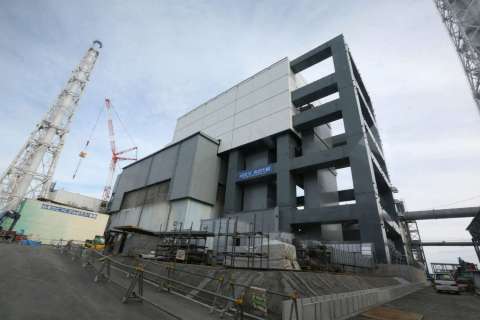
Prime Minister Shinzo Abe proposes re-opening plants shuttered after disaster
 EcocentricNuclear
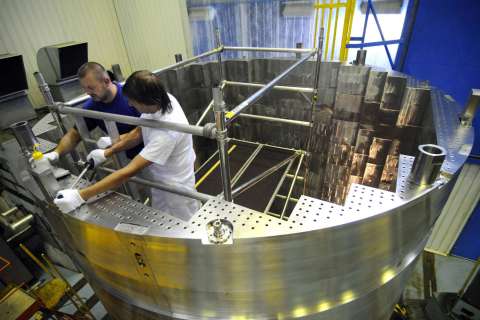
Nuclear power may be good for the climate, but the industry faces major challenges as it looks to expand. Advanced reactor designs — if they can become a reality — could make the difference
EcocentricNuclear
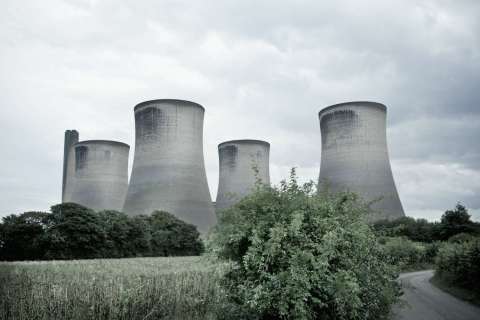
Early in the new documentary Pandora’s Promise, which opens nationwide today, British environmental writer Mark Lynas travels to the Japanese town of Fukushima, now famous as the site of a 2011 nuclear meltdown. Lynas is a …
EcocentricNuclear
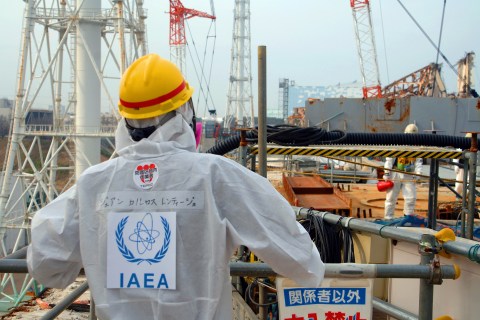
The Fukushima meltdown hasn’t been the public-health disaster that many critics feared, but TEPCO has struggled with the cleanup. The latest news that groundwater is becoming contaminated by the stricken reactors is one more …
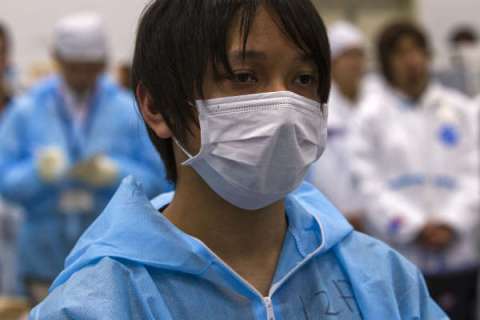
“What must be admitted, very painfully, is that this was a disaster ‘Made in Japan.' Its fundamental causes are to be found in the ingrained conventions of Japanese culture: our reflexive obedience; our reluctance to question authority; our devotion to ‘sticking with the program;’ our groupism; and our insularity.”
EcocentricNuclear
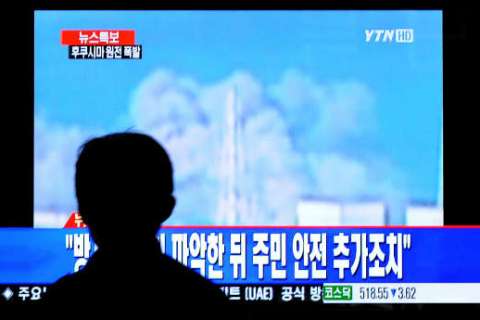
The Fukushima nuclear disaster didn’t kill a single person, but it may take out an industry: the nuclear power industry. That’s what it looks like — at least in developed countries like Japan — nearly a year after the …
EcocentricNuclear
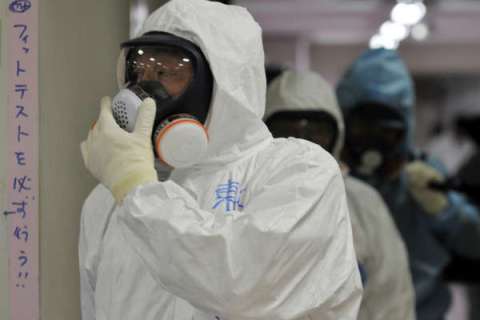
The headlines were extraordinary: “Japan Weighed Evacuating Tokyo in Nuclear Crisis,” the New York Times wrote a few days ago. “Tokyo Evacuation ‘Was Considered’,” said the Sydney Morning Herald. “Japan Urged Calm While It Mulled …
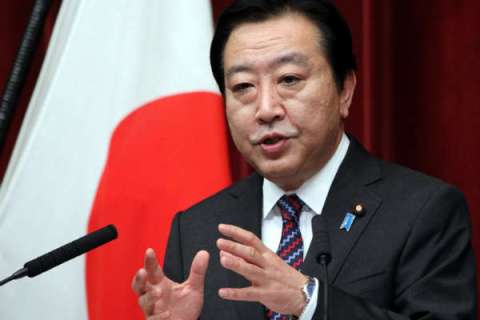
“Today, we have reached a great milestone. The reactors are stable, which should resolve one big cause of concern for us all.”
EcocentricEnergy
Summer has arrived in Japan. The pink cherry blossoms that offered some aesthetic respite from the destruction in the weeks after March 11 are long gone, and the heat —and all of the attendant challenges of living long-term with a nuclear disaster — have arrived. In Tokyo, where the mayor has set an ambitious energy reduction goal of …
EcocentricUncategorized
Each day at the stricken Fukushima power plant seems to bring a new piece of troubling news—today, reports surfaced that three workers at the Fukushima plant had been hospitalized after radiation levels reported at the plant spiked to “10,000 times above normal.” There were also reports that the No. 3 reactor vessel had been damaged, …